
Driverless taxis are often promoted as the future of urban transport — safer, smarter, and more efficient. But a recent incident in San Francisco has raised serious doubts about how ready this technology really is for real-world emergencies.
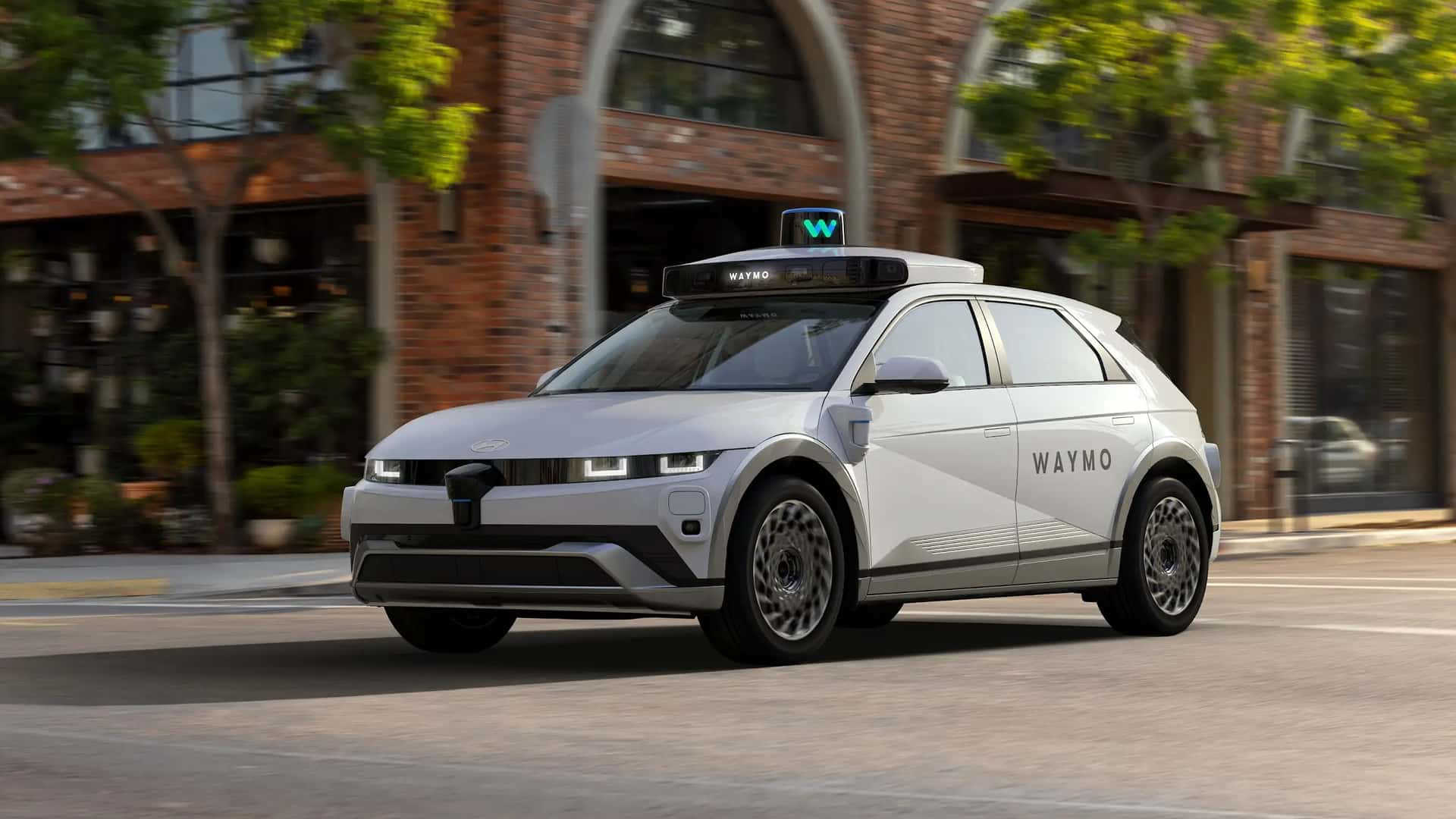
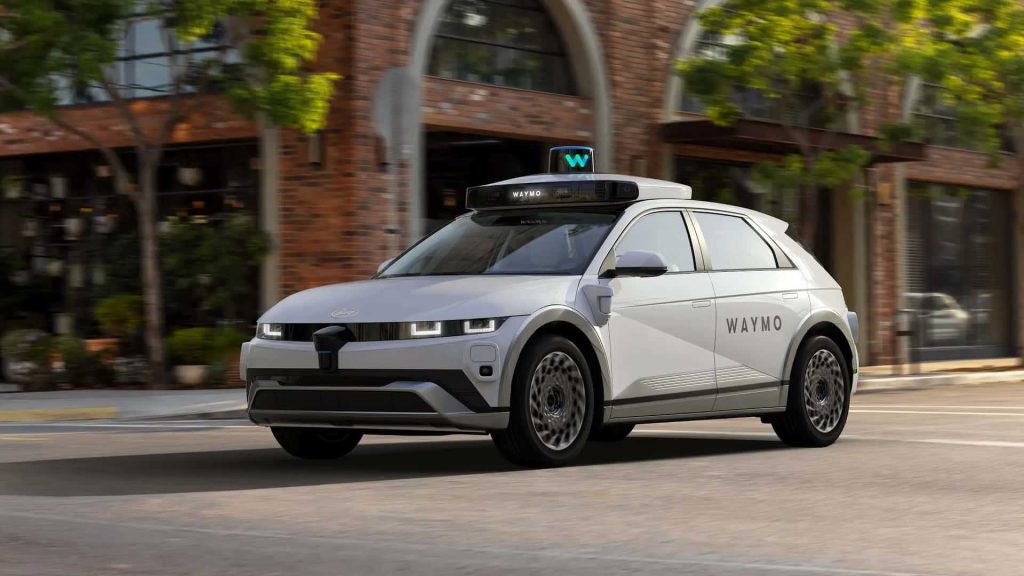
Earlier this month, a widespread power outage caused by a fire at a PG&E substation knocked out electricity across nearly one-third of the city. As traffic lights stopped working, Waymo robotaxis — operated by Alphabet — were seen stalled at intersections with hazard lights flashing, causing congestion and confusion on already strained roads.
Videos shared on social media showed multiple autonomous vehicles unable to proceed, forcing Waymo to temporarily halt operations. Services resumed a day later, but the incident sparked fresh concerns among regulators and safety experts.
Autonomous vehicles are designed to treat non-working traffic lights as four-way stops. However, Waymo admitted that the scale of the outage created an unusual spike in requests for human confirmation, overwhelming its remote support system and leading to delays.
Experts warn that if a simple power outage caused this level of disruption, larger disasters like earthquakes or floods could pose far more serious risks.
Philip Koopman, a professor at Carnegie Mellon University, said regulators must now demand proof that autonomous systems can handle catastrophic scenarios safely. Similarly, Missy Cummings, a former adviser to US road safety regulators, stressed the need for strict rules around remote human control, including backup systems during large-scale failures.
Regulators are taking notice. California’s Department of Motor Vehicles and the Public Utilities Commission have confirmed they are investigating the incident and working on tighter regulations for emergency response and remote operations.
This comes at a time when robotaxi services are expanding rapidly. Tesla has launched its own service in Texas, Amazon-backed Zoox is testing in multiple cities, and Waymo now operates more than 2,500 vehicles across major US metros.
While supporters argue that autonomous vehicles are improving steadily, critics say this incident is a clear warning sign.
“If this had been an earthquake, it would have been a much bigger problem,” Koopman said. “This is just a shot across the bow.”
The big question remains: Are driverless taxis truly ready for the real world — or are we moving faster than safety allows?